

Joanne Schieble is a name often overshadowed by the fame of her son, Steve Jobs, yet her life story holds immense significance in the history of technology and family dynamics. As the biological mother of Apple’s co-founder, she faced immense societal and familial pressure in the 1950s, a time when cultural norms and expectations for women were rigid. Her decisions, particularly the choice to place Steve Jobs for adoption, have had lasting consequences not just for her family, but indirectly for the world of innovation.
- Quick Bio of Joanne Schieble
- Early Life and Family Background of Joanne Schieble
- Education and Academic Journey
- Relationship With Abdulfattah Jandali
- The Birth of Steve Jobs
- Why Joanne Schieble Gave Steve Jobs Up for Adoption
- Adoption by Paul and Clara Jobs
- Reuniting With Steve Jobs Years Later
- Joanne Schieble’s Marriage and Later Life
- Her Career and Professional Life
- Family Connections: Mona Simpson and Literary Legacy
- Joanne Schieble’s Net Worth and Financial Standing
- Public Image and Media Attention
- Legacy and Influence on Steve Jobs’ Story
- Conclusion
- Frequently Asked Questions
Born into a conservative, Catholic household in Wisconsin, Joanne navigated a challenging path of education, love, and personal sacrifice. Her early life was shaped by discipline, intellectual curiosity, and the expectations of a traditional family. Despite facing difficult circumstances, she demonstrated resilience and determination in her personal and professional life. Understanding Joanne’s journey provides insight into the unseen influences behind one of the most transformative figures in modern technology.
Quick Bio of Joanne Schieble
| Field | Details |
|---|---|
| Full Birth Name | Joanne Carole Schieble |
| Later Known As | Joanne Schieble Simpson |
| Date of Birth | August 1, 1932 |
| Age | 93 years old (as of 2026) |
| Birthplace | Wisconsin, United States |
| Nationality | American |
| Ethnicity | Swiss-German descent |
| Religion | Raised in a strict Catholic household |
| Father | Arthur Schieble (machinist and real estate professional) |
| Mother | Dorothy Schieble |
| Education | University of Wisconsin–Madison |
| Field of Study | Speech, Political Science |
| Notable Relationship | Abdulfattah Jandali |
| Child With Jandali | Steve Jobs (born February 24, 1955) |
| Reason for Adoption Decision | Family pressure due to cultural and religious differences |
| Adoptive Parents of Steve Jobs | Paul and Clara Jobs |
| Later Marriage | George Simpson |
| Daughter From Later Marriage | Mona Simpson |
| Profession | Speech therapist |
| Known For | Being the biological mother of Apple co-founder Steve Jobs |
| Reunion With Steve Jobs | Reconnected in the 1980s |
| Public Presence | Maintained a private and low-profile life |
| Current Status | Living privately in the United States |
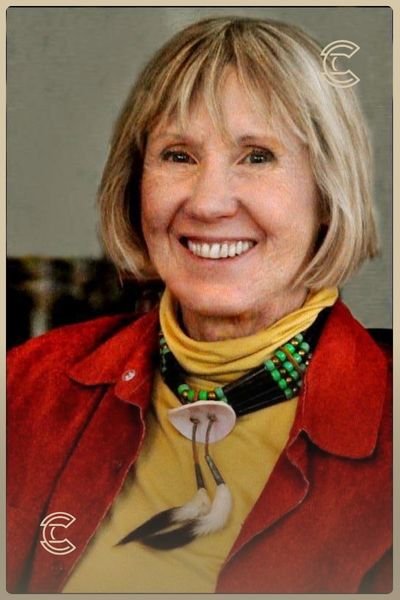
Early Life and Family Background of Joanne Schieble
Joanne Schieble was born on August 1, 1932, in Wisconsin, into a conservative, middle-class Catholic family. Growing up, her parents emphasized discipline, moral integrity, and the importance of education, all of which shaped her early character. From an early age, she displayed intellectual curiosity and a strong desire to learn. Her upbringing included strict routines, high expectations for personal responsibility, and encouragement to pursue academic excellence, qualities that later influenced many major decisions in her life.
Arthur Schieble, her father, worked as a machinist and held firm traditional values. Meanwhile, her mother, Dorothy, managed the household and reinforced a structured, disciplined environment. Despite these rigid social norms, Joanne developed independence and critical thinking skills. Excelling academically, she displayed remarkable intelligence and maturity. This blend of discipline, curiosity, and resilience prepared her to face personal challenges that would not only affect her own life but also leave a lasting impact on her family and, indirectly, on the history of technology.
Education and Academic Journey
Joanne Schieble pursued higher education at the University of Wisconsin–Madison, where she majored in speech and political science. During the early 1950s, very few women attended college, let alone pursued ambitious academic paths. Joanne stood out for her intelligence, ambition, and determination to build an independent life. She saw education not just as learning but as a way to achieve professional autonomy and personal growth, rather than relying solely on societal expectations of marriage and domestic life.
Her university experience exposed her to a diverse student body and new perspectives, which broadened her worldview significantly. It was during this period that she met Abdulfattah Jandali, a Syrian graduate student in political science. Their relationship became a turning point in her personal life. Academic life not only shaped her intellect but also influenced critical decisions, including her insistence on ensuring a stable and educated home environment for her son through adoption.
Relationship With Abdulfattah Jandali
Joanne’s relationship with Abdulfattah Jandali began while they were both university students. Jandali was ambitious and intellectually driven, hailing from Syria to pursue graduate studies. Their connection was intense, but it quickly became complicated due to cultural, religious, and familial differences. Joanne’s Catholic parents disapproved strongly, believing that marriage to a foreign Muslim student was unacceptable.
When Joanne became pregnant, these tensions intensified. Social norms in 1950s America added significant pressure, as unmarried motherhood carried stigma and limited support. Joanne faced an impossible choice: risk familial estrangement and social judgment, or make a decision that would provide her child with security and stability. The situation forced her to carefully consider her son’s future, ultimately leading to the adoption arrangement that would define Steve Jobs’ early life.
The Birth of Steve Jobs
On February 24, 1955, Joanne Schieble gave birth to a baby boy in San Francisco, a child who would later change the world as Steve Jobs. At the time, Joanne was unmarried and facing intense pressure from her family, who disapproved of her relationship with Abdulfattah Jandali. The social and cultural expectations of the 1950s made her situation extremely challenging. Despite the emotional and societal stress, she focused on her child’s well-being, determined to provide him with the best possible future.
Joanne carefully selected potential adoptive parents for her son, insisting that they be well-educated and capable of supporting a thriving home environment. She refused to sign adoption papers immediately, demonstrating both caution and emotional strength. Her insistence on education and stability reflected her forward-thinking mindset, showing that her love for her child extended beyond personal desire—it was about securing his lifelong opportunities. This decision exemplified her resilience and deep sense of responsibility as a mother.

Why Joanne Schieble Gave Steve Jobs Up for Adoption
Joanne Schieble’s decision to place Steve for adoption was not made lightly. Her father’s rigid opposition to her marrying Jandali created an impasse, while cultural and religious differences further complicated matters. In mid-20th-century America, unmarried motherhood carried harsh social stigma, and Joanne faced limited support. She had to weigh her personal desires against what would be best for her child in a world that offered few safety nets.
Ultimately, Joanne chose adoption to ensure that her son would grow up in a stable and nurturing environment. She required that his adoptive parents be educated and willing to encourage his academic development. Though Paul and Clara Jobs initially fell short of her educational expectations, they promised to send Steve to college, which reassured her. Her choice was an act of love and foresight, demonstrating that she valued her son’s potential and opportunities above her personal needs or societal judgment.
Adoption by Paul and Clara Jobs
Steve Jobs was adopted by Paul and Clara Jobs, who provided a warm and supportive home in California. Paul, a skilled machinist, taught his son practical skills and instilled a strong work ethic, while Clara nurtured him with love, guidance, and emotional stability. Together, they created an environment where Steve could grow into a confident, curious, and ambitious individual.
Although Joanne did not raise him directly, she later learned that Steve flourished in his adoptive family. Her insistence on education and stability indirectly influenced his development, and the adoption arrangement allowed him to access opportunities she deemed essential. While the adoption remained closed for many years, Joanne’s careful planning ensured that her son’s early life would be secure, safe, and full of potential. Her quiet influence lingered in the values and expectations that shaped Steve Jobs’ upbringing.
Reuniting With Steve Jobs Years Later
As an adult, Steve Jobs sought to discover his biological roots, ultimately tracking down Joanne Schieble in the 1980s. Their reunion was filled with emotional complexity, combining relief, curiosity, and a sense of closure for both. Joanne experienced joy and gratitude at seeing the son she had placed for adoption decades earlier, while Jobs wanted to understand the origins of his identity and family history. This reconnection allowed both mother and son to address years of unanswered questions and reconnect on an emotional level.
Over time, their relationship deepened but never replaced the bond Steve had with his adoptive parents, Paul and Clara Jobs. Joanne also introduced him to his biological sister, Mona Simpson, further expanding his understanding of family. The reunion not only healed long-standing emotional gaps but also fostered new familial bonds, strengthening connections that had been missing for decades. Their interactions reflected mutual respect, curiosity, and the acknowledgment of a shared history despite years apart.

Joanne Schieble’s Marriage and Later Life
After the adoption of Steve, Joanne married George Simpson, and the couple welcomed their daughter, Mona Simpson. Although the marriage eventually ended in divorce, Joanne continued to focus on building a stable, independent life. She prioritized her family and career, ensuring her children had support and guidance even amidst personal challenges. Her experiences demonstrated resilience, self-reliance, and a commitment to family stability.
Joanne worked as a speech therapist, a profession that allowed her to cultivate meaningful work while maintaining privacy. She intentionally avoided media attention despite her son’s fame, choosing discretion over public recognition. Her later life reflected a balance between personal fulfillment and careful stewardship of family connections. Joanne’s decisions during this period highlight her independence, practical mindset, and dedication to creating a life defined by personal values rather than public perception.
Her Career and Professional Life
Joanne Schieble dedicated herself to a career in speech therapy, helping children and adults improve communication skills and overcome challenges. Her work required patience, empathy, and specialized knowledge, allowing her to make a meaningful impact in her professional community. Joanne’s career was characterized by dedication and consistency, reflecting her strong work ethic and intellectual capability.
Despite her son’s global fame, she maintained professional independence and avoided leveraging celebrity connections for personal gain. Her identity remained rooted in her skills, accomplishments, and contribution to her field. Joanne’s career illustrates a life defined by service, expertise, and integrity, showing that she cultivated a meaningful legacy beyond her connection to Steve Jobs. Her professional life stands as a testament to her character, discipline, and resilience.
Family Connections: Mona Simpson and Literary Legacy
Joanne’s daughter, Mona Simpson, became an acclaimed novelist exploring themes of identity, family, and separation. Much of Mona’s work subtly reflects the complexities of her family background, highlighting Joanne’s influence in nurturing intellectual curiosity and creative expression. Joanne supported her daughter’s pursuits, fostering an environment that encouraged education, writing, and personal growth.
The bond between Steve Jobs and Mona Simpson strengthened over time, facilitated in part by Joanne’s guidance and support. Though they had been separated in childhood, both siblings achieved remarkable success in different domains—Steve in global technology and Mona in contemporary literature. Joanne’s role in both children’s lives underscores her influence and dedication as a mother, demonstrating that her careful balance of guidance, independence, and emotional support contributed to the achievements of both her children.
Joanne Schieble’s Net Worth and Financial Standing
Joanne Schieble did not pursue wealth through public ventures or business endeavors. Her primary source of income came from her career as a speech therapist, a profession she pursued with dedication and consistency. She maintained a modest lifestyle, far removed from the billionaire status of her son, Steve Jobs. Despite her connection to one of the world’s most famous entrepreneurs, Joanne focused on her work and personal stability rather than financial notoriety.
She never inherited shares or major holdings from Apple Inc., nor did she attempt to gain wealth by leveraging her relationship with Steve Jobs. Her financial life remained private, stable, and carefully managed. Joanne prioritized personal dignity, privacy, and discretion over public attention or material gain, demonstrating a grounded approach to wealth and an emphasis on values over status.
Public Image and Media Attention
Joanne Schieble consistently avoided media exposure and public interviews, maintaining a life of privacy even as curiosity about her story grew globally. Biographers of Steve Jobs occasionally referenced her, but she rarely participated directly in the narrative. This deliberate distance helped her maintain control over her personal life while allowing her story to be told in her own terms through family accounts and historical records.
Her reserved personality shaped her public image as a quiet yet influential figure. Joanne never attempted to rewrite history or seek sympathy for the difficult choices she faced. This quiet strength and self-restraint have become defining aspects of her legacy. Despite her son’s enormous fame, she remains largely in the background, yet her early decisions profoundly impacted the life of one of technology’s most iconic innovators.
Legacy and Influence on Steve Jobs’ Story
Joanne Schieble played a pivotal, though indirect, role in shaping modern technology history. Her insistence on ensuring that Steve Jobs was placed with educated and stable adoptive parents created an environment conducive to intellectual growth, creativity, and opportunity. The conditions she set in place during his infancy indirectly fostered the skills and confidence that Jobs would later apply in founding Apple Inc..
Her life reflects resilience, sacrifice, and careful decision-making. While she did not directly build Apple or participate in technological innovation, her choices influenced the path of one of history’s most influential entrepreneurs. Joanne’s story underscores the hidden contributions behind legendary figures, highlighting that innovation is often supported by the quiet, unrecognized efforts and sacrifices of others. Her legacy adds emotional and historical depth to the narrative of Steve Jobs and the technology he shaped.
Conclusion
Joanne Schieble’s life is a story of quiet resilience, intellect, and careful sacrifice. She faced cultural pressures, family opposition, and social stigma at a time when women’s choices were heavily constrained. Her decision to place Steve Jobs for adoption, while difficult, ensured he had access to a stable home, education, and opportunity, ultimately shaping the future of one of the world’s most transformative entrepreneurs.
Although she lived outside the public eye, Joanne’s influence remains significant. She prioritized education, dignity, and privacy, balancing personal values with the welfare of her children. Joanne Schieble may not have appeared in boardrooms or on stages, but her foresight and sacrifice played a key role in shaping the story of innovation that has touched millions worldwide. Her life remains an example of the unseen yet profound impact one individual can have on history.
Frequently Asked Questions
Who is Joanne Schieble?
Joanne Schieble is the biological mother of Steve Jobs. She gave birth to him in 1955 and placed him for adoption due to family pressure and social circumstances.
Why did Joanne Schieble give Steve Jobs up for adoption?
She faced strong opposition from her Catholic family and social stigma as an unmarried mother. She chose adoption to ensure her son received stability and educational opportunity.
Did Steve Jobs reconnect with Joanne Schieble?
Yes, they reunited in the 1980s. Their relationship developed gradually and provided emotional closure.
Who is Mona Simpson in relation to Joanne Schieble?
Mona Simpson is Joanne’s daughter and Steve Jobs’ biological sister. She is a well-known American novelist.
Is Joanne Schieble still alive?
As of recent public records, she lives privately in the United States and maintains a low public profile.
VISIT MORE: CULT MAGAZINE