
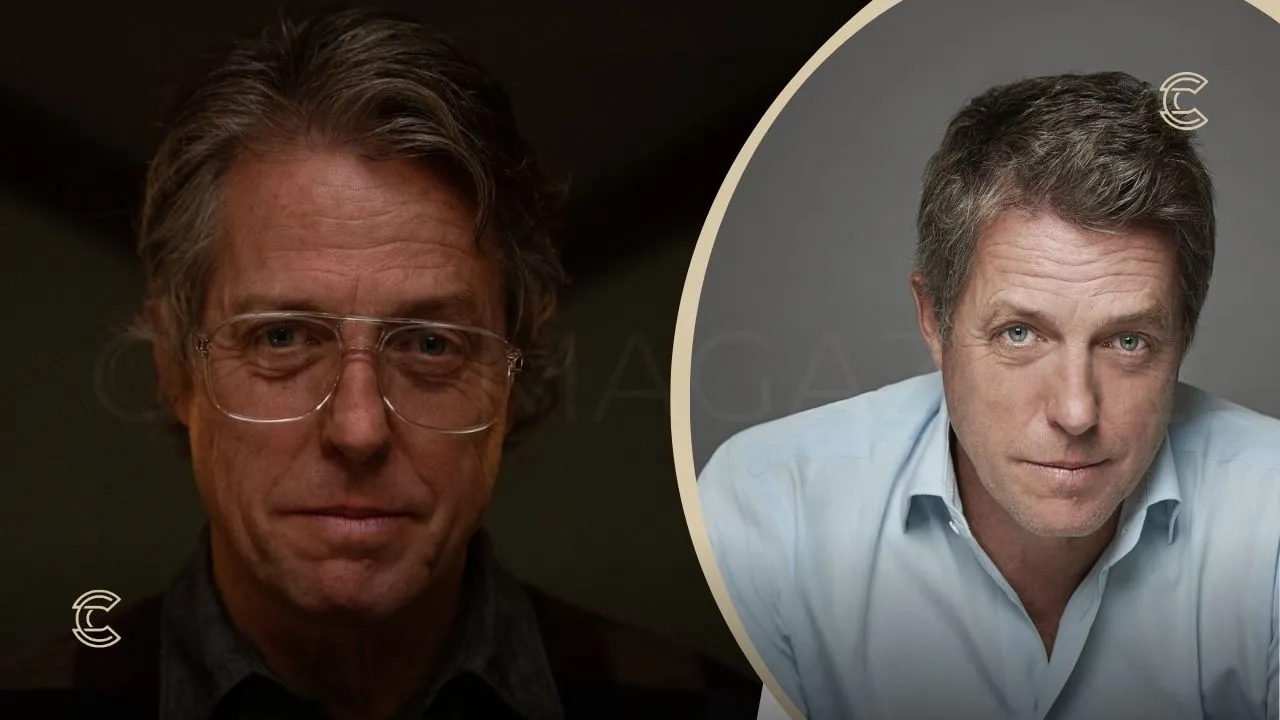
Hugh Grant built an impressive fortune through decades of acting excellence and clever financial decisions. In 2026, experts consistently estimate his net worth at $150 million. He earned this wealth primarily from starring roles in beloved romantic comedies and later character parts in major films and television.
- Quick Bio Hugh Grant
- Early Career Breakthrough and Initial Earnings
- Rise to Rom-Com Stardom and Peak Salaries
- Notable High-Paying Roles and Salary Milestones
- Transition to Character Actor and Later Earnings
- The Clever Agent Strategy That Saved Millions
- Art Investments and the Famous Warhol Sale
- Real Estate Portfolio and Property Deals
- Other Assets Including Vintage Cars and Collectibles
- Producing and Additional Income Streams
- Impact of Family Life on Financial Planning
- Balancing Privacy and Public Wealth Perception
- Philanthropy and Giving Back
- Lifestyle Choices and Spending Habits
- Challenges of Wealth in the Spotlight
- Current Financial Status in 2026
- Future Outlook and Legacy of Smart Wealth Building
- Conclusion
- Frequently Asked Questions
Grant stands out not only for his on-screen charm but also for his smart money management. He avoided high agent commissions early on and made profitable investments in art and real estate. His story offers insights into how talent combines with strategy to create lasting financial security. This profile examines his salary history, key assets, and approach to wealth while considering the personal context that shapes his choices.
Quick Bio Hugh Grant
| Attribute | Details |
|---|---|
| Full Name | Hugh John Mungo Grant |
| Date of Birth | September 9, 1960 |
| Age (as of 2026) | 65–66 years old |
| Nationality | British |
| Profession | Actor, Producer, Former Model |
| Known For | Romantic comedies like Four Weddings and a Funeral, Notting Hill, Love Actually; later roles in Paddington 2, Wonka, Heretic, The Undoing |
| Family | Married to Anna Eberstein (2018); five children (two with Tinglan Hong: Tabitha and Felix; three with Anna) |
| Net Worth (2026 Estimate) | $150 million (consistent across major sources) |
| Key Financial Moves | Acted as his own agent for ~4 years to avoid commissions; sold Andy Warhol “Liz” painting for ~$25.5 million profit; shrewd real estate investments |
| Career Gross | Films have grossed over $4 billion worldwide |
| Residence | Primarily London (Chelsea and other properties); additional homes |
Early Career Breakthrough and Initial Earnings
Hugh Grant started with modest pay in the 1980s and early 1990s. He took small roles in theatre and television before landing his breakthrough in Four Weddings and a Funeral in 1994. He reportedly earned around $100,000 for that lead role.
The film became a massive hit and launched him as a global star. That relatively small salary delivered huge career returns through increased visibility and future opportunities. Many actors experience this pattern where early modest earnings pave the way for much larger paydays. Grant used the momentum wisely to negotiate better terms in subsequent projects.
Rise to Rom-Com Stardom and Peak Salaries
By the late 1990s, Grant commanded $7 million to $10 million per film. Hits like Notting Hill opposite Julia Roberts brought him about $7.5 million. Mickey Blue Eyes added another $7.5 million to his earnings.
These romantic comedies defined a golden era for him. Audiences loved his witty, self-deprecating characters, and studios paid premium rates to secure his involvement. Peak salaries reflected both box office draw and his established persona. This period significantly boosted his net worth and allowed him to be selective with future roles.
Notable High-Paying Roles and Salary Milestones
In 2002, Grant earned $12.5 million for Two Weeks Notice alongside Sandra Bullock. That figure marked one of his highest single-role paychecks during the rom-com peak. He also received strong compensation for ensemble films like Love Actually.
Later supporting roles still delivered solid income. For Paddington 2, he reportedly took home around $5 million. Recent projects like Wonka brought in about $10 million. These examples show how Grant maintained strong earnings even as he shifted toward character-driven parts rather than traditional leads.

Transition to Character Actor and Later Earnings
Grant moved away from pure romantic leads in the 2010s and 2020s. He took on more complex roles in films like The Undoing on HBO and Heretic. These parts often paid less than peak rom-com salaries but offered creative satisfaction and critical acclaim.
He also appeared in family-friendly hits such as Paddington 2 and Wonka. The shift allowed him to work selectively while still earning millions per project. Many actors face this transition phase where pay decreases but fulfillment increases. Grant handled it gracefully and continued adding to his wealth through strategic choices.
The Clever Agent Strategy That Saved Millions
For about four years, Grant pretended to be his own agent. He created a fictional persona to negotiate deals directly and avoid standard commission fees. This unconventional move saved him a significant percentage on multiple contracts.
The tactic reflected his pragmatic approach to business. Once discovered, he returned to a real agent, but the savings compounded over time. Such stories highlight how celebrities sometimes take creative risks with finances just as they do with roles. Grant openly shares the anecdote with humor, showing self-awareness about his wealth-building methods.
Art Investments and the Famous Warhol Sale
Grant made a standout profit in the art world. He bought an Andy Warhol portrait of Elizabeth Taylor for roughly $2.5 million and sold it years later for about $25.5 million. The deal generated a massive return on investment.
Art collecting requires knowledge, timing, and sometimes luck. Grant’s successful flip demonstrates savvy beyond acting income. Many high-net-worth individuals diversify into collectibles for both enjoyment and potential gains. This transaction added substantially to his overall assets without relying solely on film work.
Real Estate Portfolio and Property Deals
Grant invested wisely in London properties over the years. He owned a luxurious South Kensington penthouse during the Love Actually filming period and later sold it at a profit. Reports mention homes in Chelsea and other prime areas.
Real estate offers stability and appreciation potential in desirable markets like central London. Grant’s choices reflect long-term thinking rather than flashy spending. Properties provide both personal enjoyment and financial security for his growing family. Such investments form a core part of many successful actors’ wealth preservation strategies.
Other Assets Including Vintage Cars and Collectibles
Grant enjoys classic cars and maintains a collection that includes models like a Ferrari and an Aston Martin. These vehicles combine personal passion with potential value retention. He also holds other collectibles that align with his interests.
Diversification across asset classes reduces risk. Cars and art appeal to Grant’s aesthetic side while contributing to his net worth. Many wealthy individuals balance practical investments with lifestyle assets. Grant appears to manage this mix thoughtfully without excessive public display.
Producing and Additional Income Streams
Beyond acting, Grant has produced projects and earned from endorsements and residuals. His films have collectively grossed over $4 billion worldwide, generating ongoing backend income in some cases.
Producing gives greater control and additional revenue shares. Residuals from popular comedies continue to provide steady cash flow. These streams complement salary earnings and create more resilient finances. Grant’s multifaceted involvement in the industry maximizes earning potential across different avenues.
Impact of Family Life on Financial Planning
Grant became a father later in life and now has five children. He shares two with Tinglan Hong and three with wife Anna Eberstein. Supporting a large family influences spending and long-term planning.
Fatherhood often shifts priorities toward stability and legacy. Grant speaks about providing for his kids as a key motivation for continued work. Wealth management must account for education, homes, and future security. This personal dimension adds nuance to how celebrities approach finances beyond personal luxury.
Balancing Privacy and Public Wealth Perception
Grant values privacy and keeps details about his assets relatively quiet. Media speculation about his net worth and lifestyle arises periodically, yet he focuses on family over public displays of wealth.
Fame brings scrutiny that can complicate financial matters. Grant maintains a low-key image despite his success. This approach helps protect his children from excessive attention. Many high-profile individuals face the challenge of enjoying success while shielding personal life.
Philanthropy and Giving Back
Grant supports various causes quietly over the years. His wealth enables contributions to charities aligned with his values, though he rarely seeks publicity for them.
Philanthropy allows successful people to create positive impact. Grant’s choices reflect thoughtfulness about using resources responsibly. Giving back often brings personal satisfaction alongside tax benefits. It forms an important part of holistic wealth management for many in the entertainment industry.
Lifestyle Choices and Spending Habits
Grant enjoys a comfortable lifestyle without overt extravagance. He values good food, travel, and time with family over constant luxury displays. His spending appears measured relative to his net worth.
Balanced habits help preserve wealth across decades. Grant avoids the pitfalls that sometimes accompany sudden fame and fortune. His approach emphasizes experiences and relationships alongside material comforts. This mindset supports long-term financial health.
Challenges of Wealth in the Spotlight
High earnings bring expectations and occasional criticism about lifestyle or career choices. Grant navigated tabloid attention and professional setbacks while maintaining financial discipline.
Wealth in entertainment involves unique pressures like fluctuating income and public judgment. Grant demonstrates resilience by focusing on quality work and smart investments. These challenges highlight the human side of success stories that numbers alone cannot capture.
Current Financial Status in 2026
As of 2026, Hugh Grant’s net worth holds steady around $150 million. Recent roles and ongoing residuals contribute to stability. His diversified assets provide buffers against industry changes.
At age 65–66, he continues selective work that aligns with personal interests. Financial security allows greater freedom in project selection. Grant’s position reflects successful navigation of Hollywood’s evolving landscape over more than four decades.
Future Outlook and Legacy of Smart Wealth Building
Grant’s story offers lessons in discipline, creativity, and adaptability. He may pursue more producing or smaller roles while enjoying family time. His wealth-building methods emphasize patience and opportunity recognition.
Future generations of actors can learn from his blend of artistic pursuit and financial prudence. Grant’s legacy includes memorable performances and a model of thoughtful success. In 2026 and beyond, he continues to exemplify how talent and strategy create enduring security.
Conclusion
Hugh Grant net worth in 2026 stands at an estimated $150 million through iconic roles, strategic decisions, and diversified assets. From early modest salaries to multimillion-dollar paychecks and profitable investments like the Warhol sale, he built wealth methodically. Real estate, art, and smart career moves supported his growing family responsibilities.
His journey highlights nuances of Hollywood finances, including privacy challenges and the shift from leading man to character actor. Grant balances success with personal values and quiet philanthropy. His approach provides inspiration for anyone seeking sustainable financial growth amid public life. Audiences and aspiring professionals alike can appreciate the thoughtful foundation behind his enduring fortune.
Frequently Asked Questions
What is Hugh Grant net worth in 2026?
Hugh Grant net worth is estimated at $150 million in 2026, built primarily through acting salaries, art sales, and real estate investments.
How much did Hugh Grant earn for Notting Hill?
He reportedly earned around $7.5 million for his starring role opposite Julia Roberts in the 1999 romantic comedy.
What is Hugh Grant’s highest known salary for a single film?
He earned $12.5 million for Two Weeks Notice in 2002, one of his highest reported paychecks during his rom-com peak.
Did Hugh Grant make money from art investments?
Yes, he bought an Andy Warhol portrait of Elizabeth Taylor for about $2.5 million and sold it for roughly $25.5 million, generating a substantial profit.
What properties does Hugh Grant own?
He has owned luxury homes in London, including a South Kensington penthouse during Love Actually filming and properties in Chelsea, though exact current holdings remain private.
VISIT MORE: CULT MAGAZINE