
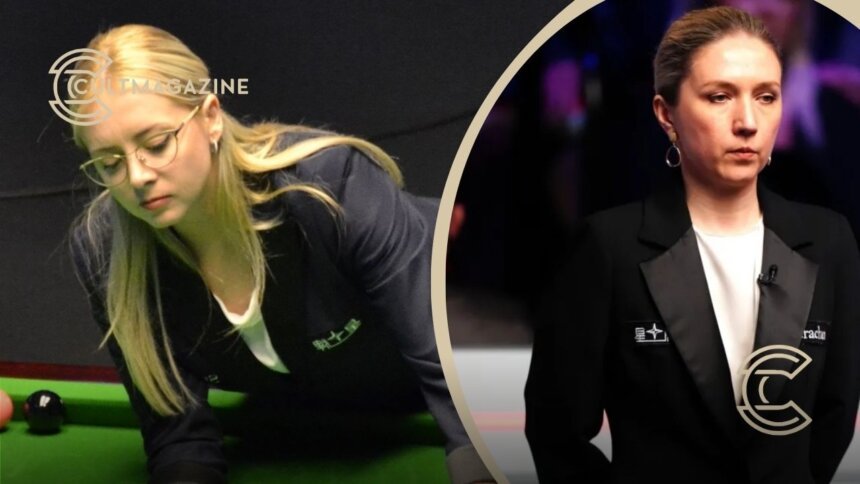
Professional snooker has long been associated with tradition, precision, and formality, but in recent years the sport has experienced a meaningful cultural shift. Female snooker referees have emerged as visible, respected figures within the professional circuit, challenging outdated perceptions and redefining officiating standards. Among them, Desislava Vasileva Bozhilova stands out as a leading example of professionalism, authority, and excellence. Her presence, along with other female officials, reflects broader changes in inclusivity, merit-based recognition, and evolving attitudes within the sport. This transformation is not symbolic but practical, reshaping how snooker presents itself on the global stage.
- Quick Bio
- The History of Snooker Refereeing
- Entry of Women Into Professional Snooker Officiating
- Breaking Gender Barriers in a Traditionally Male-Dominated Sport
- Skill, Training, and Professional Standards
- On-Table Authority and Player Respect
- Influence on the Modern Image of Snooker
- Media Coverage and Public Perception
- Challenges Faced by Female Snooker Referees
- Role Models and Inspiration for Future Officials
- Impact on Diversity and Inclusion in Snooker
- How Governing Bodies Support Female Referees
- The Future of Female Refereeing in Professional Snooker
- Why This Shift Matters for the Sport
- Conclusion
- Frequently Asked Questions
Quick Bio
| Field | Details |
|---|---|
| Full Name | Desislava Vasileva Bozhilova |
| Known For | Professional Snooker Referee |
| Nationality | Bulgarian |
| Profession | International Snooker Official |
| Sport | Professional Snooker |
| Active Years | 2010s–Present |
| Notable Role | Refereeing major international snooker tournaments |
| Key Traits | Precision, authority, composure |
| Industry Impact | Redefining female representation in snooker officiating |
| Current Status | Active professional referee |
The History of Snooker Refereeing
Snooker refereeing developed alongside the sport itself, emphasizing discipline, neutrality, and strict rule enforcement. For decades, refereeing roles were dominated by men, largely due to historical access and institutional norms rather than ability. Early referees focused on maintaining order, scoring accuracy, and match flow in an environment that valued tradition above change. This structure created consistency but limited diversity. Over time, as snooker expanded internationally, officiating standards professionalized further, opening the door for broader participation. This evolution laid the groundwork for women to enter refereeing based on skill rather than convention.
Entry of Women Into Professional Snooker Officiating
Women began entering professional snooker officiating as governing bodies introduced structured training and certification pathways. These systems emphasized knowledge, consistency, and performance rather than background. Female referees demonstrated strong rule comprehension, composure, and match management from the outset. Their entry challenged assumptions without disrupting standards. Officials like Desislava Vasileva Bozhilova progressed through merit, proving capability at every level. This shift signaled that refereeing excellence depends on preparation and professionalism, not gender.
Breaking Gender Barriers in a Traditionally Male-Dominated Sport
Snooker’s male-dominated history made early female referees highly visible, often facing scrutiny beyond performance. Despite this, they broke barriers through consistency rather than confrontation. Each successful match officiated weakened outdated stereotypes. Desislava Bozhilova exemplifies this progress by commanding the table with confidence and clarity. Her calm authority reinforces respect among players and audiences alike. Breaking barriers in snooker has occurred quietly, driven by competence rather than activism.
Skill, Training, and Professional Standards
Professional snooker referees undergo rigorous training that includes rule mastery, positioning, communication, and decision-making under pressure. Female referees meet the same demanding criteria as their male counterparts. Desislava Bozhilova’s career reflects years of disciplined preparation and on-table experience. Precision in ball placement, awareness of angles, and swift judgment define her officiating. These skills ensure fairness and flow during high-stakes matches. The profession rewards expertise, and female referees consistently meet elite standards.
On-Table Authority and Player Respect
Authority at the snooker table depends on confidence, clarity, and fairness. Female referees earn respect by applying rules consistently and communicating decisions calmly. Players respond to professionalism rather than presence. Desislava Bozhilova commands matches without unnecessary intervention, allowing the game to proceed smoothly. Her demeanor establishes trust and control. Respect grows naturally when officials demonstrate competence, reinforcing the legitimacy of female referees in professional competition.
Influence on the Modern Image of Snooker
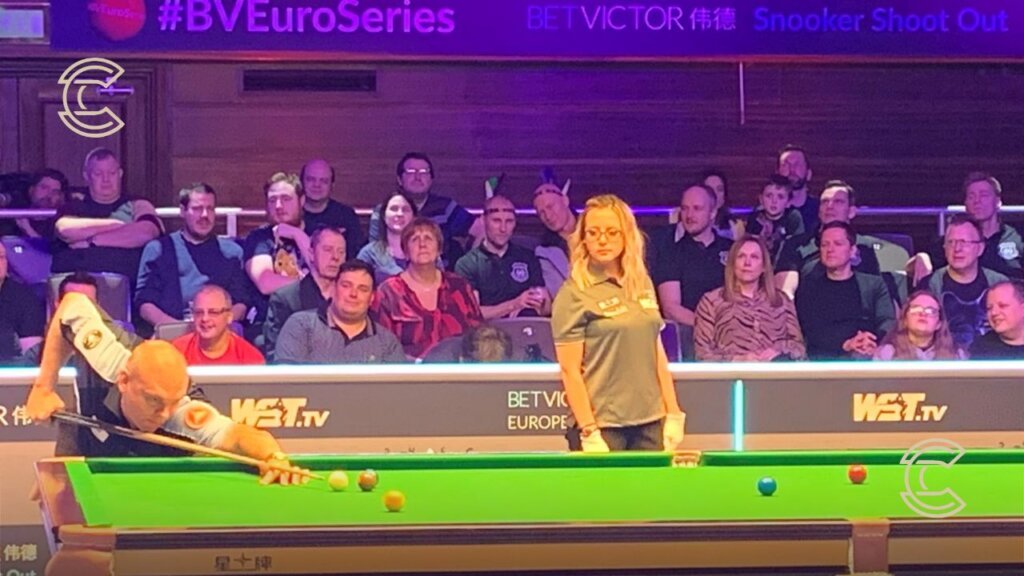
Female referees have modernized snooker’s public image by reflecting contemporary values of inclusion and professionalism. Their presence signals that the sport evolves while respecting tradition. Broadcast audiences increasingly associate snooker with merit-based excellence rather than rigid norms. Desislava Bozhilova’s visibility at major tournaments contributes to this shift. She represents a sport that honors skill over stereotypes. This evolving image attracts broader audiences and reinforces snooker’s global relevance.
Media Coverage and Public Perception
Media coverage of female snooker referees has shifted from novelty to normality. Early attention focused on gender, but recent narratives emphasize professionalism and performance. Desislava Bozhilova receives recognition for her officiating rather than her identity. This change reflects audience maturity and institutional progress. Balanced coverage helps normalize diversity and reduces unnecessary scrutiny. Public perception now aligns more closely with on-table reality.
Challenges Faced by Female Snooker Referees
Despite progress, female referees still face challenges such as heightened visibility and occasional bias. Early career stages often involve proving credibility repeatedly. Desislava Bozhilova navigated these challenges through consistency and composure. She avoided public confrontation and focused on performance. Over time, results replaced skepticism. These challenges highlight the importance of institutional support and fair evaluation systems.
Role Models and Inspiration for Future Officials
Female referees serve as powerful role models for aspiring officials worldwide. Seeing Desislava Bozhilova officiate elite matches demonstrates achievable success through dedication. Young women interested in snooker officiating now see a clear pathway forward. Representation matters because it normalizes ambition. Role models inspire participation and sustain long-term diversity within the sport. This influence extends beyond snooker into broader sports officiating.
Impact on Diversity and Inclusion in Snooker
The inclusion of female referees strengthens snooker’s commitment to diversity and fairness. Diversity enhances credibility by ensuring opportunities align with ability. Desislava Bozhilova’s career reflects inclusive policy outcomes rather than tokenism. Her presence encourages governing bodies to maintain transparent selection processes. Inclusion improves institutional resilience and public trust. Snooker benefits when excellence remains accessible.
How Governing Bodies Support Female Referees
Snooker governing bodies support female referees through training programs, mentorship, and equal assignment policies. These structures allow officials like Desislava Bozhilova to progress based on performance metrics. Support systems focus on skill development rather than symbolic inclusion. This approach ensures sustainability and fairness. Institutional backing reinforces long-term progress rather than temporary representation.
The Future of Female Refereeing in Professional Snooker
The future of female refereeing in snooker looks increasingly stable and normalized. As more women enter officiating, representation will become routine rather than exceptional. Desislava Bozhilova’s success sets a benchmark for professionalism. Future referees will benefit from reduced barriers and clearer pathways. The sport continues to evolve through competence-driven inclusion.
Why This Shift Matters for the Sport
This shift matters because officiating shapes competitive integrity and public trust. Female referees enhance credibility by reinforcing merit-based standards. Desislava Bozhilova represents a system that values expertise. Inclusive officiating supports the sport’s global growth and relevance. Progress strengthens tradition rather than undermining it.
Conclusion
Female snooker referees are redefining professional snooker through consistency, authority, and skill. Desislava Vasileva Bozhilova stands as a clear example of how professionalism transcends outdated barriers. Her career reflects progress achieved through competence rather than controversy. As inclusion becomes normalized, snooker benefits from stronger credibility and broader appeal. The sport’s future remains rooted in fairness, precision, and evolving excellence.
Frequently Asked Questions
Who is Desislava Vasileva Bozhilova?
Desislava Vasileva Bozhilova is a professional snooker referee known for officiating major international tournaments with authority and precision.
Are female referees treated equally in professional snooker?
Governing bodies apply the same standards to all referees, and performance determines assignments rather than gender.
What skills are required to become a snooker referee?
Key skills include rule mastery, positioning, communication, composure, and decision-making under pressure.
Why are female referees important for snooker’s future?
They reinforce merit-based inclusion, modernize the sport’s image, and inspire future officials.
Has Desislava Bozhilova officiated major tournaments?
Yes, she has officiated high-profile professional matches, earning respect through consistent performance.
VISIT MORE: CULT MAGAZINE