
Meghan Markle’s wedding to Prince Harry on May 19, 2018, captivated the world, and her bridal look became instantly iconic. Unlike previous royal weddings marked by elaborate ornamentation, Meghan opted for a minimalist approach, demonstrating elegance through simplicity. Her choice reflected her modern sensibilities while respecting royal traditions, making a statement that style does not require excess. The dress instantly became a reference point for contemporary brides seeking understated yet regal fashion.
- Quick Bio Clare Waight Keller
- The Designer Behind the Dress: Clare Waight Keller
- Design Inspiration: Minimalism Meets Royal Tradition
- Fabric and Material Choices: Luxury and Comfort
- The Silhouette and Structure: Clean Lines and Timeless Appeal
- The Veil: Symbolism and Embroidery Details
- Accessories and Styling: Jewelry, Tiara, and Shoes
- Reception Dress and Fashion Continuity
- Public and Media Reaction: Style Reception Worldwide
- Meghan Markle’s Dress with Other Royal Wedding Gowns
- Impact on Modern Bridal Fashion: Trends and Influence
- Behind the Scenes Fittings, Preparation, and Adjustments
- Conclusion
- Frequently Asked Questions
Her appearance combined sophistication, grace, and confidence. Every element from the clean lines to the delicate veil was meticulously curated. The minimalist aesthetic allowed her personality to shine through, proving that a wedding dress can be timeless without being ostentatious. Meghan’s choice of a streamlined silhouette showcased how modern design can honor tradition while appealing to a global audience.
Quick Bio Clare Waight Keller
| Category | Details |
|---|---|
| Full Name | Clare Waight Keller |
| Date of Birth | April 19, 1970 |
| Place of Birth | Sutton Coldfield, England, UK |
| Nationality | British |
| Occupation | Fashion Designer, Artistic Director |
| Education | Central Saint Martins, London (Fashion Design) |
| Years Active | 1990–present |
| Famous For | First female Artistic Director at Givenchy; minimalist couture designs |
| Signature Style | Clean lines, understated elegance, precision tailoring |
| Notable Clients | Meghan Markle, Victoria Beckham, celebrities on red carpets |
| Career Highlights | Designed Meghan Markle’s 2018 wedding dress; known for modern reinterpretation of classic silhouettes; leadership roles at Chloé and Givenchy |
| Awards & Recognition | British Fashion Council nominations; praised for innovative minimalism and influence on modern bridal fashion |
| Legacy | Credited with redefining contemporary royal and bridal fashion, blending tradition with minimalist modernity |
The Designer Behind the Dress: Clare Waight Keller
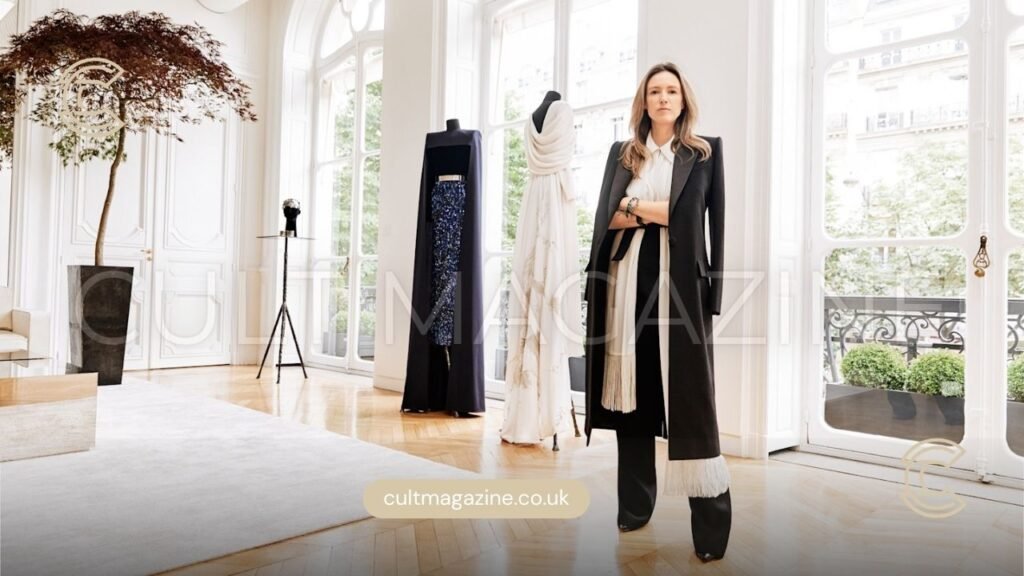
The creative force behind Meghan’s dress was Clare Waight Keller, the British-born artistic director of Givenchy at the time. Known for her clean, sophisticated designs, Keller was the perfect choice for a bride seeking modern elegance. She approached the dress with a vision that combined simplicity, structure, and subtle drama, aligning perfectly with Meghan’s personal style. Their collaboration was closely guarded, adding to the anticipation and surprise when the dress was finally revealed.
Keller’s design philosophy emphasizes refined craftsmanship and minimalistic beauty. She meticulously balanced classic tailoring with soft, flowing elements to ensure the dress looked regal yet approachable. Her influence extended beyond the dress itself, shaping Meghan’s veil, train, and overall bridal aesthetic. The designer’s attention to detail and commitment to quality craftsmanship played a crucial role in creating a dress that would define a generation of royal fashion.
Design Inspiration: Minimalism Meets Royal Tradition
Meghan’s wedding dress drew inspiration from both modern minimalism and classic royal wedding traditions. The silhouette embraced simplicity with clean lines, while the long train paid homage to historical royal garments. The dress avoided excessive embellishment, opting instead for luxurious fabric and precise tailoring to make a subtle but powerful statement. This blend of minimalism and tradition set a new standard for bridal fashion worldwide.
The design reflected Meghan’s personal style, characterized by elegance without extravagance. Unlike previous royal brides, she prioritized comfort and mobility, ensuring she could move with ease throughout the ceremony. The dress’ understated design also emphasized Meghan’s natural beauty, allowing her radiant presence to take center stage. This combination of inspiration made the gown both contemporary and timeless.
Fabric and Material Choices: Luxury and Comfort
The choice of fabric played a crucial role in the dress’ minimalist impact. Crafted from pure white silk cady, the gown achieved a structured yet soft appearance, providing smooth draping across the body. Silk cady is known for its weight and subtle sheen, which enhanced the dress’ sophistication without overwhelming simplicity. The fabric choice ensured comfort for a full day of public appearances while maintaining an elegant silhouette.
Beyond silk cady, attention to every detail in material selection was evident in the veil and underlayers. Lightweight fabrics supported the long train, while the silk blend offered a luxurious feel against the skin. The fabric choices underscored the balance between visual appeal and practicality, ensuring Meghan could walk, sit, and move gracefully during the ceremony without compromising on style.
The Silhouette and Structure: Clean Lines and Timeless Appeal
The gown’s silhouette exemplified modern minimalism. A fitted bodice seamlessly transitioned into a long, flowing skirt, creating a slender, elongating effect. The bateau neckline added sophistication while highlighting Meghan’s collarbone and shoulders. The clean lines ensured a timeless appearance, making the dress relevant even years after the wedding.
The structure was achieved through careful tailoring and subtle paneling. The design avoided ornate ruffles or excessive layering, focusing instead on form-fitting elegance that flattered the body naturally. The dress balanced regal presence with accessibility, making it ideal for both ceremonial grandeur and photographic perfection. Every angle was considered to ensure Meghan appeared poised, confident, and graceful throughout the day.
The Veil: Symbolism and Embroidery Details
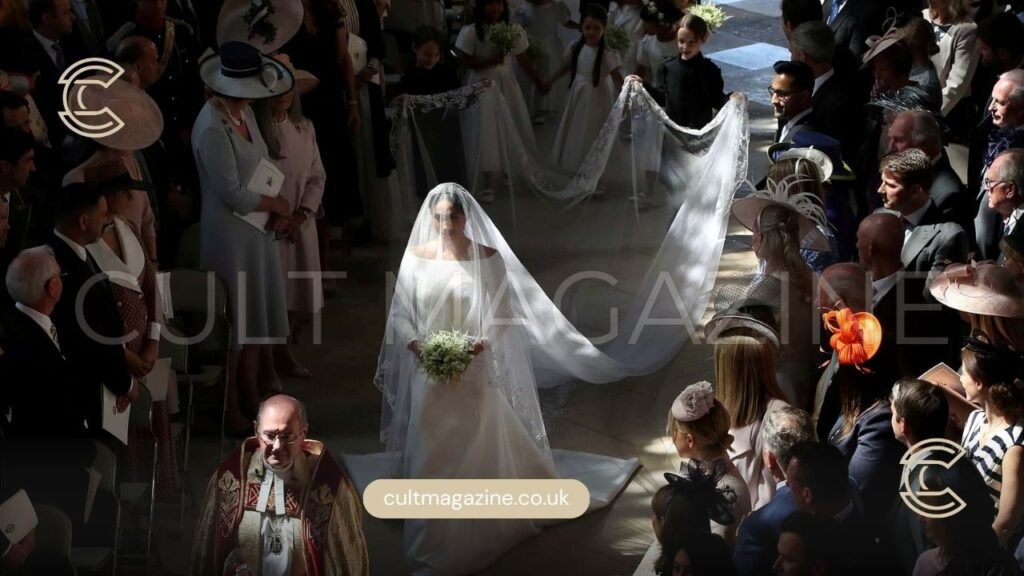
Meghan’s veil added both drama and symbolism to her minimalist gown. Measuring 16 feet in length, it featured embroidered flowers representing the Commonwealth nations, integrating personal and cultural significance. The delicate embroidery was subtle enough not to distract from the dress, yet it added a layer of storytelling that connected Meghan’s heritage with her royal role.
The veil’s sheer fabric and embroidered motifs also softened the overall appearance, adding texture without overpowering the gown’s clean silhouette. Its length created a striking visual impression as Meghan walked down the aisle, capturing attention worldwide. The veil demonstrated how small, thoughtful details can elevate minimalist fashion into a powerful statement of identity and legacy.
Accessories and Styling: Jewelry, Tiara, and Shoes
Meghan’s accessories complemented her minimalist dress with understated elegance. She wore Queen Mary’s diamond bandeau tiara, borrowed from the royal collection, which added historical significance and a subtle sparkle. The earrings were modest yet refined, avoiding over-decoration while drawing attention to her facial features. The veil and tiara worked together to frame her face beautifully.
Her shoes were equally elegant, crafted from Stuart Weitzman nude satin to elongate her legs and maintain the gown’s streamlined aesthetic. Even the bouquet, containing seasonal blooms with symbolic meanings, contributed to the overall narrative of tradition and modernity. Every accessory was deliberately chosen to enhance, rather than compete with, the gown’s minimalist beauty.
Reception Dress and Fashion Continuity
After the ceremony, Meghan changed into a reception dress designed by Stella McCartney, featuring a halter neckline and softer draping. This transition showcased her versatility and modern approach to bridal fashion, embracing both tradition and personal flair. The reception outfit allowed her to appear elegant yet relaxed during the private celebration.
The continuity of style from the ceremony to reception highlighted Meghan’s attention to detail and fashion narrative. The choice of two different designers also emphasized a blend of British and international design expertise, reflecting Meghan’s dual heritage and contemporary approach to royal dressing. It set a new standard for future brides considering multiple looks for their wedding day.
Public and Media Reaction: Style Reception Worldwide
Meghan Markle’s wedding dress received global acclaim, with fashion critics praising its timeless elegance and minimalistic beauty. Publications highlighted the balance between royal tradition and modern sensibility, noting the designer’s meticulous attention to detail. Social media buzzed with admiration, as brides-to-be sought to emulate the clean lines and understated glamour.
The dress sparked conversations about modern bridal trends, influencing designers and bridal shops worldwide. Its reception proved that elegance does not require excess, and that a minimalist approach could create lasting impact. Meghan’s choice inspired discussions on how royal fashion could adapt to contemporary aesthetics while honoring ceremonial expectations.
Meghan Markle’s Dress with Other Royal Wedding Gowns
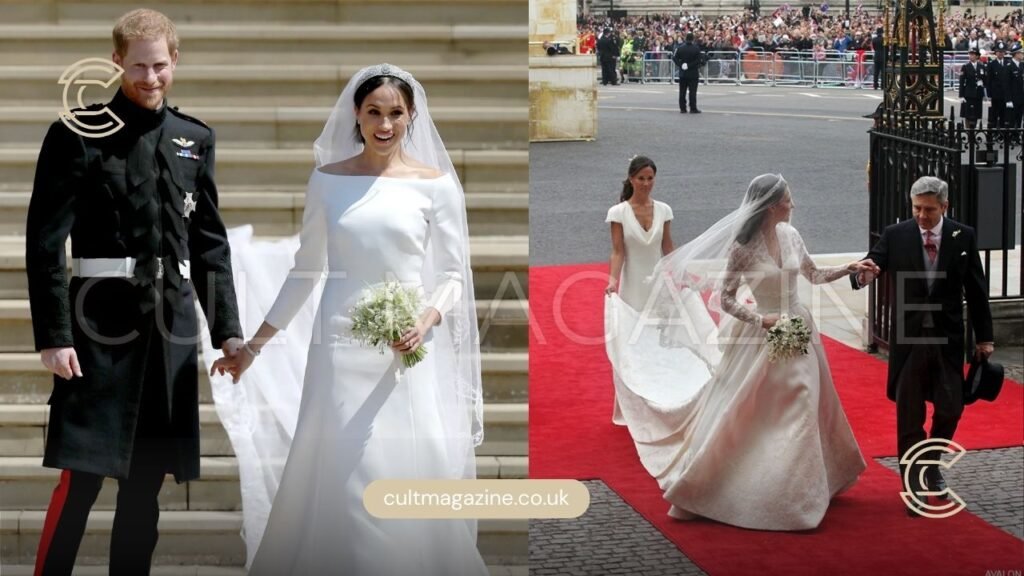
Meghan Markle’s minimalist gown stands out when compared to previous royal wedding dresses. For example, Kate Middleton’s Alexander McQueen gown featured intricate lace, long sleeves, and a fitted bodice, emphasizing traditional British craftsmanship. In contrast, Meghan’s Givenchy dress focused on clean lines, minimal embellishment, and subtle elegance, creating a modern interpretation of royal bridal fashion.
Princess Diana’s iconic 1981 gown showcased dramatic puffed sleeves, a voluminous skirt, and a 25-foot train, embodying 1980s grandeur. Meghan’s approach was entirely different, opting for simplicity and understated sophistication. This shift reflects evolving bridal trends within royal circles, showing that contemporary brides can honor tradition while embracing personal style. The comparison highlights Meghan’s influence in redefining what a royal wedding dress can represent: timeless elegance without excessive ornamentation.
Impact on Modern Bridal Fashion: Trends and Influence
The minimalist approach of Meghan’s dress inspired a new wave of bridal fashion trends. Designers began emphasizing clean silhouettes, quality fabrics, and subtle tailoring over heavy embellishments. Brides increasingly opted for simple, elegant gowns with symbolic details, reflecting Meghan’s influence on contemporary wedding attire.
Beyond aesthetics, the dress impacted cultural perceptions of bridal fashion. It encouraged women to prioritize personal style and comfort, rather than conforming to overly elaborate expectations. Meghan’s gown became a reference point for modern brides seeking a balance between sophistication, tradition, and individuality.
Behind the Scenes Fittings, Preparation, and Adjustments
Creating Meghan’s dress involved multiple fittings and extensive preparation to ensure perfect alignment with her vision. Clare Waight Keller worked closely with the bride, incorporating feedback and adjustments to achieve optimal structure and drape. The dress required precise tailoring to maintain clean lines while accommodating movement and posture.
Beyond the main gown, the veil and train also underwent meticulous testing. Designers considered weight, balance, and visual appeal for both live audiences and camera angles. This behind-the-scenes work illustrates the dedication and craftsmanship required to create a wedding dress that is simultaneously minimalistic, comfortable, and iconic.
Conclusion
Meghan Markle’s wedding dress remains a landmark in modern bridal fashion, celebrated for its minimalist elegance, thoughtful symbolism, and timeless appeal. Its influence extends far beyond royal circles, shaping trends in contemporary bridal design worldwide. The gown proved that simplicity can be powerful and that understated fashion often leaves the strongest impression.
By combining tradition, personal style, and modern design principles, Meghan created a look that resonates across generations. Her wedding dress will continue to inspire brides seeking elegance without extravagance, demonstrating that careful craftsmanship and minimalist aesthetics are enduring hallmarks of style.
Frequently Asked Questions
Who designed Meghan Markle’s wedding dress?
Clare Waight Keller, then artistic director at Givenchy, designed Meghan Markle’s minimalist wedding gown.
What fabric was used in the dress?
The gown was made from pure white silk cady, chosen for its smooth drape and structured elegance.
How long was Meghan’s veil?
Her veil measured 16 feet in length and featured embroidered flowers representing the Commonwealth nations.
Did Meghan wear a tiara?
Yes, she wore Queen Mary’s diamond bandeau tiara, borrowed from the royal collection.
Was there a reception dress?
Yes, Meghan changed into a Stella McCartney halter dress for the reception, complementing the ceremony gown.
What impact did the dress have on bridal fashion?
It inspired minimalist bridal trends, emphasizing clean silhouettes, quality fabrics, and symbolic details over heavy embellishments.
Why was the dress considered modern yet traditional?
It blended royal wedding traditions with Meghan’s personal minimalist style, balancing ceremonial elegance with contemporary aesthetics.
VISIT MORE: CULT MAGAZINE