
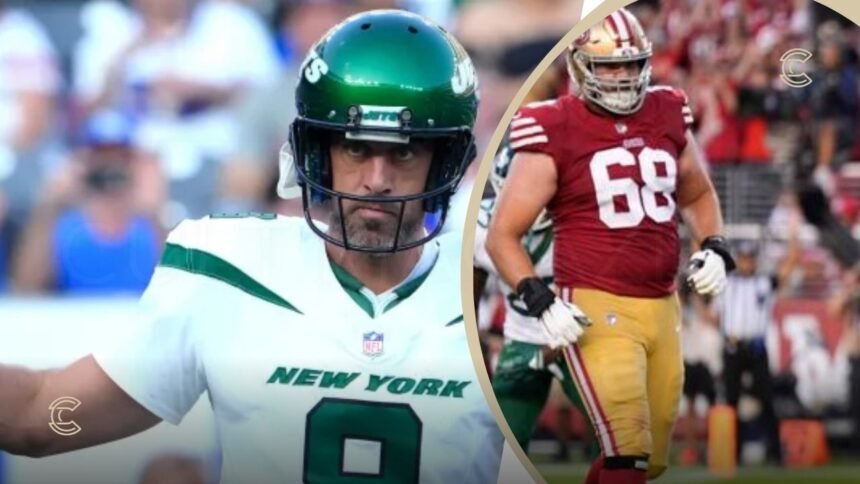
The Week 1 matchup between the New York Jets and the San Francisco 49ers set a high bar for the 2024 NFL season. Played on September 9, 2024 at Levi’s Stadium in Santa Clara, California, this primetime game pitted veteran leadership against a balanced offensive attack. Jets fans were eager to see how Aaron Rodgers performed after recovering from injury, while 49ers supporters expected productive rushing and efficient quarterback play. The stage was set for a compelling statistical battle.
- Quick Score Table
- Quick Match Stats Table
- Match Overview and Final Score Summary
- Quarter‑by‑Quarter Score Analysis
- New York Jets Offensive Player Stats Breakdown
- San Francisco 49ers Offensive Player Stats Breakdown
- Quarterback Performance Comparison
- Running Game Leaders and Rushing Stats
- Receiving Leaders and Key Passing Targets
- Defensive Standouts and Impact Plays
- Turnovers, Penalties, and Game‑Changing Moments
- Red Zone Efficiency and Third‑Down Conversions
- Time of Possession and Game Control Metrics
- Special Teams Performance Highlights
- Key Player Matchups That Defined the Game
- Coaching Strategy and Tactical Adjustments
- Top Individual Performances of the Game
- Statistical Comparison: Jets vs 49ers Team Metrics
- What This Game Means for Both Teams Going Forward
- Conclusion
- Frequently Asked Questions
By the end of the night, San Francisco emerged with a 32–19 win, demonstrating a mix of explosive offense, disciplined defense, and game control. This full statistical analysis explores every key metric from the game including rushing, passing, red zone efficiency, turnovers, time of possession, and individual performances. If you want a granular, play‑by‑play breakdown that explains not just what happened but why, you’ll find that in the sections that follow.
Quick Score Table
| Team | Q1 | Q2 | Q3 | Q4 | Final |
|---|---|---|---|---|---|
| Jets | 7 | 0 | 6 | 6 | 19 |
| 49ers | 3 | 13 | 10 | 6 | 32 |
Quick Match Stats Table
| Category | Jets | 49ers |
|---|---|---|
| Total Yards | 266 | 401 |
| Passing Yards | 198 | 221 |
| Rushing Yards | 68 | 180 |
| Time of Possession | 21:20 | 38:40 |
| Turnovers | 2 | 0 |
| First Downs | 14 | 24 |
| Penalties (Yards) | 3 (10) | 4 (40) |
Match Overview and Final Score Summary
From the outset, the 49ers demonstrated strategic balance. San Francisco’s offense mixed inside runs with timely short passes, creating mismatches that New York’s defense struggled to adjust to. Brock Purdy, the 49ers’ starting quarterback, kept plays in rhythm, completed intermediate tosses effectively, and found open receivers when needed. His calm and disciplined play lowered turnover risk and helped extend drives.
The Jets displayed flashes of resilience, particularly on their opening possession when Breece Hall’s rushing touchdown gave them a 7–3 lead. Allen Lazard was also productive for New York, making contested catches and scoring on two touchdown receptions. However, San Francisco’s ability to consistently finish drives and avoid turnovers gave them a statistical advantage that translated into scoreboard success.
Quarter‑by‑Quarter Score Analysis
The first quarter began with competitive drive execution by both teams. The Jets capitalized early with a touchdown run by Hall, showcasing New York’s willingness to balance run and pass. San Francisco responded with a field goal, signaling that they would answer Jets scoring with patience and precision rather than panic.
In the second quarter, the 49ers recalibrated and surged ahead. Their combination of running back success and reliable passing led to a 16–7 advantage by halftime. San Francisco maintained that momentum in the third quarter, adding a field goal and a touchdown to take a more commanding 26–13 lead. The fourth quarter featured additional scores from both sides, but San Francisco’s cushion proved enough for the final 32–19 result.
New York Jets Offensive Player Stats Breakdown
Offensively, the Jets generated 266 total yards, with 198 passing and 68 rushing. Aaron Rodgers completed 13 of 21 passes for 167 yards, 1 touchdown, and 1 interception, showing both leadership and a willingness to take risks. Hall’s rushing touchdown highlighted New York’s ability to diversify play calling.
While Rodgers displayed veteran poise, the Jets struggled to sustain drives deep into 49ers territory. Their running game failed to consistently gain big chunks of yards, limiting play action and deeper passing opportunities. The interception also halted momentum at a critical juncture, contributing to stalled possessions that hurt New York’s scoring potential.
San Francisco 49ers Offensive Player Stats Breakdown
San Francisco’s offense produced 401 total yards, driven by a strong ground game and controlled passing tempo. Brock Purdy completed 29 of 37 passes for 231 yards, demonstrating efficiency and situational awareness. Purdy’s accuracy maintained offensive balance and prevented forced throws under pressure.
Running back Jordan Mason was the breakout star for San Francisco, rushing for 147 yards and 1 touchdown on 28 carries. Mason’s performance helped San Francisco control time of possession and wear down the Jets’ defensive front. Complementary contributions from targets like Deebo Samuel, George Kittle, and Jauan Jennings added key receptions that sustained drives and generated critical first downs.
Quarterback Performance Comparison
Aaron Rodgers showcased why he remains one of the most strategic quarterbacks in the NFL. His ability to read the 49ers’ defensive schemes allowed him to consistently find receivers in intermediate and deep zones. Rodgers’ touchdown pass to Allen Lazard highlighted his precision and timing, showing that even after returning from injury, he can execute high-pressure plays effectively. His poise in the pocket and decision-making under pressure gave the Jets’ offense a sense of rhythm and confidence, particularly in the early and mid stages of the game.
However, Rodgers also faced challenges when the 49ers’ defensive line applied pressure. A key interception in the third quarter reflected moments when New York’s offensive line struggled to protect him, forcing hurried throws. On the other side, Brock Purdy demonstrated controlled efficiency and consistency throughout the game. Purdy’s decision-making was precise, avoiding turnovers while reading defensive shifts to exploit gaps. His ability to manage the 49ers’ tempo, sustain drives, and convert critical third downs under pressure ultimately contributed to San Francisco’s dominance and game control.
Running Game Leaders and Rushing Stats
The San Francisco 49ers dominated the ground game, led by Jordan Mason, who rushed for 147 yards and a touchdown. Mason’s patient running style allowed him to identify and exploit small gaps in the Jets’ defensive front, turning short gains into sustained drives. His ability to gain tough yards between the tackles kept the 49ers’ offense balanced, enabling the team to control the clock and limit New York’s possessions. Mason’s physicality and stamina were crucial in wearing down the Jets’ defense, particularly in the second half when long drives became decisive.
In contrast, the Jets struggled to establish a reliable running game, totaling only 68 rushing yards as a team. Breece Hall’s early touchdown run demonstrated his talent, but consistent gains were limited due to the offensive line’s difficulty in creating running lanes. The lack of a strong ground attack forced New York to rely heavily on passing, which allowed the 49ers’ defense to anticipate and disrupt their strategy. Limited rushing success also prevented the Jets from controlling the game clock, contributing to their overall difficulty in maintaining momentum against a disciplined 49ers squad.
Receiving Leaders and Key Passing Targets
Allen Lazard was the standout receiver for the Jets, catching two touchdown passes and consistently creating separation from defenders. His ability to make contested catches on critical downs gave Aaron Rodgers reliable targets in red zone and third-down situations. Lazard’s performance was vital for New York, providing explosive plays and keeping the team competitive despite overall offensive struggles. His speed, route precision, and physicality made him a key factor in stretching San Francisco’s secondary.
The 49ers’ passing game was more balanced, distributing the ball effectively among multiple weapons. Deebo Samuel contributed 77 yards through a combination of short and intermediate receptions, while George Kittle and Jauan Jennings each made critical catches in third-down and red zone scenarios. This distribution kept the Jets’ defense guessing, preventing them from overcommitting to any single receiver. By maintaining multiple viable targets, the 49ers maximized offensive efficiency, sustained drives, and executed scoring opportunities without relying solely on explosive plays, demonstrating a textbook model of balanced offensive execution.
Defensive Standouts and Impact Plays
For the New York Jets, standout defenders like Sauce Gardner and Tony Adams consistently pressured the 49ers’ offensive line, forcing San Francisco into longer down-and-distance situations. Their ability to disrupt timing and apply pressure in key moments slowed the 49ers’ offensive rhythm. Gardner’s coverage skills limited explosive plays, while Adams’ presence in the backfield affected decision-making, forcing quicker throws or shorter gains. These defensive efforts highlighted New York’s ability to generate impact plays even in a game where they trailed in possession.
The 49ers’ defense, meanwhile, displayed discipline and efficiency across the field. They maintained tight coverage on all primary targets while controlling gaps against the Jets’ rushing attempts. Although they did not force turnovers, the 49ers’ ability to limit yardage after catch and prevent red zone breakthroughs was critical. Effective tackling and positioning kept the Jets’ drives in check, particularly in crucial scoring areas. The combination of controlled aggression and tactical awareness allowed San Francisco to maintain a steady advantage throughout the contest.
Turnovers, Penalties, and Game‑Changing Moments
Turnovers played a pivotal role in determining the outcome of this Week 1 matchup. The Jets committed two turnovers, including an interception thrown by Aaron Rodgers, which directly influenced field position and scoring opportunities. Each turnover interrupted potential momentum and provided the 49ers with short-field advantages that translated into points. San Francisco, in contrast, protected the ball throughout the game, highlighting their disciplined offensive approach and minimizing chances for New York to capitalize on mistakes.
Penalties, while relatively balanced, still impacted crucial moments of the game. The Jets’ infractions occasionally stalled drives or forced longer third-down situations, while the 49ers managed their penalties strategically, ensuring that yardage losses did not affect critical possessions. Even small mistakes in a contest with a 13-point margin can alter momentum and scoring chances. Collectively, turnovers and penalties shaped the flow of the game, demonstrating that discipline and ball security are often as decisive as yardage totals.
Red Zone Efficiency and Third‑Down Conversions
San Francisco excelled in red zone situations, consistently converting scoring opportunities into touchdowns. Their offensive play calling balanced running schemes with quick passing options, ensuring manageable distances for each play. Effective use of misdirection and timed routes created space for running backs and receivers, while the offensive line provided stable protection. This precision in the red zone allowed the 49ers to capitalize on sustained drives and maintain scoring momentum.
The Jets, however, faced challenges in converting red zone and third-down opportunities. Although they were aggressive with passing plays, critical third-down stops by San Francisco limited sustained drives. A red zone interception in the third quarter highlighted the difficulty New York had in executing under pressure. Overall, while the Jets demonstrated effort and creativity, the lack of red zone efficiency ultimately constrained their scoring output and emphasized the importance of finishing drives in tight contests.
Time of Possession and Game Control Metrics
San Francisco dominated the time of possession, controlling the ball for 38 minutes and 40 seconds. This extended possession allowed the 49ers to dictate the tempo of the game, sustain drives, and strategically rest their defensive personnel. Long, methodical drives not only facilitated scoring opportunities but also kept the Jets’ offense off the field, reducing New York’s ability to build rhythm and apply pressure.
Conversely, New York held possession for only 21 minutes and 20 seconds, a significant disadvantage in a high-intensity game. Limited time with the ball forced faster decision-making by Aaron Rodgers and increased reliance on high-pressure passing plays. This imbalance contributed to stalled drives, turnovers, and fewer scoring opportunities. The difference in possession underscored the strategic advantage of controlling the clock, influencing both offensive success and defensive stamina over four quarters of competitive play.
Special Teams Performance Highlights
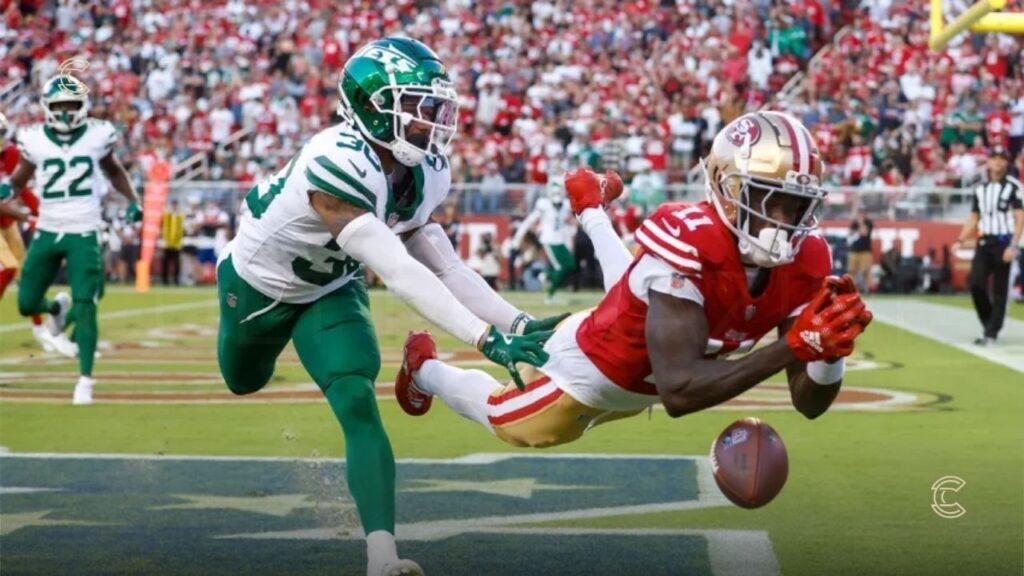
San Francisco’s special teams played a crucial role in sustaining offensive momentum throughout the game. Kicker Jake Moody was flawless, converting all six field goal attempts, which provided a reliable scoring foundation and ensured that the 49ers capitalized on drives that stalled short of the end zone. The consistent execution from Moody helped San Francisco maintain a lead and control the psychological aspect of the game, reinforcing the offense’s confidence. Additionally, kickoff coverage and punt returns consistently positioned the team in favorable field locations, giving the offense a strategic advantage over New York.
The Jets’ special teams units performed adequately, but they were outmatched in field position battles. Punts and kickoff returns were effective in some situations but did not consistently shift momentum in New York’s favor. Hidden yardage from San Francisco’s punts and kickoffs, combined with sustained drives, allowed the 49ers to dominate possession and keep the Jets’ offense on the sidelines. Overall, the difference in special teams execution emphasized how small but consistent plays can influence both scoring and game control.
Key Player Matchups That Defined the Game
The quarterback matchup between Aaron Rodgers and Brock Purdy was a central narrative throughout the contest. Rodgers relied on deep-ball throws and veteran instincts to stretch the field and challenge the 49ers’ secondary. His ability to identify mismatches and connect on critical passes helped keep the Jets competitive, even when the 49ers controlled possession. Conversely, Purdy’s precision passing, smart decision-making, and consistent rhythm allowed the 49ers to sustain long drives and control the clock, ultimately dictating the game’s pace.
Another defining matchup took place along the offensive and defensive trenches. San Francisco’s offensive line consistently opened lanes for Jordan Mason, enabling a highly effective running game that controlled time of possession. The Jets’ defensive front battled relentlessly to limit rushing gains but often conceded critical yardage in the process. This trench warfare affected both tempo and scoring opportunities, underscoring the importance of line play in determining the outcome of high-stakes matchups.
Coaching Strategy and Tactical Adjustments
Jets head coach Robert Saleh implemented a balanced game plan, mixing rushing attempts with Rodgers’ passing to keep the 49ers’ defense from overcommitting. Early in the game, this strategy showed promise, creating open passing lanes and productive rushing sequences. However, turnovers and stalled drives forced Saleh to adjust aggressively, calling deeper throws and riskier plays that did not always succeed under pressure. These adaptations highlight the challenges of maintaining flexibility while managing in-game adversity.
49ers head coach Kyle Shanahan showcased his trademark creativity and adaptability. By blending power running schemes with precise, short-to-intermediate passing, Shanahan kept the Jets’ defense off balance. Halftime adjustments, including shifting blocking schemes and targeting favorable matchups in the passing game, allowed San Francisco to maintain offensive rhythm and secure time-of-possession dominance. Shanahan’s strategic foresight demonstrated how coaching decisions can directly influence execution and ultimately the outcome of tightly contested matchups.
Top Individual Performances of the Game
Jordan Mason was the standout performer for the 49ers, amassing 147 rushing yards and a touchdown in a breakout performance. His ability to find seams, break tackles, and sustain long drives not only boosted San Francisco’s offensive statistics but also controlled the clock, keeping the Jets’ defense on the field and limiting their offensive opportunities. Mason’s performance showcased the impact a dominant ground game can have in a strategically executed game plan.
For the Jets, Allen Lazard provided a focal point in the passing attack, recording two touchdown receptions and making several contested catches on crucial downs. His performance kept New York competitive and demonstrated how individual talent can elevate a team’s offensive production. Lazard’s contributions emphasized the importance of reliable receivers in maintaining scoring potential, especially in high-pressure situations against disciplined defensive units like the 49ers.
Statistical Comparison: Jets vs 49ers Team Metrics
San Francisco’s 401 total yards compared to New York’s 266 highlighted the 49ers’ dominance in both efficiency and balance. The 49ers effectively mixed a powerful rushing attack with precise passing to sustain drives, control clock, and limit the Jets’ scoring opportunities. Their total yardage reflected not just raw numbers but strategic execution long, methodical drives kept their defense rested and forced the Jets into high-pressure situations. Complementing yardage totals, the 49ers also excelled in key situational stats, including red zone conversions, third-down efficiency, and turnover margin, which collectively reinforced their on-field advantage.
The Jets struggled to maintain consistency throughout the matchup. Limited first downs, shorter drives, and two turnovers hampered New York’s ability to mount sustained offensive pressure. Aaron Rodgers’ big-play efforts kept the Jets competitive but could not fully offset challenges created by poor time-of-possession metrics. Statistical discrepancies in possession, red zone efficiency, and penalty impact explain why the 32–19 final score accurately reflected the game flow. While New York displayed resilience, these measurable gaps in execution highlight areas needing improvement as the season progresses.
What This Game Means for Both Teams Going Forward
For the Jets, Week 1 served as both a learning opportunity and a warning. Aaron Rodgers demonstrated flashes of elite playmaking, especially connecting with key targets like Allen Lazard on critical downs. However, turnovers, inconsistent drives, and limited possession highlight the importance of ball security and effective time management. Moving forward, New York will need to improve offensive cohesion, protect the football, and sustain drives to compete against top-tier NFC opponents.
San Francisco, conversely, emerged from the matchup with clear validation of their strategy and personnel. Efficient execution across rushing, passing, and red zone situations reinforced their potential as a balanced, disciplined squad. Minimal turnovers, strong clock control, and consistent third-down conversions indicate a team capable of controlling games from start to finish. If these trends continue, the 49ers are well-positioned as NFC contenders, showcasing the impact of tactical discipline and sustained offensive and defensive performance.
Conclusion
The New York Jets vs San Francisco 49ers matchup on September 9, 2024, offered a detailed look into team execution, strategy, and individual impact. San Francisco’s 32–19 victory reflected superior performance across multiple dimensions, including total yardage, time of possession, red zone efficiency, and disciplined defense. The combination of Jordan Mason’s breakout rushing game, Brock Purdy’s precise passing, and flawless special teams execution underscored why the 49ers controlled the contest.
For the Jets, the game highlighted both promise and areas for growth. Rodgers’ veteran leadership and Lazard’s receiving performance were positive takeaways, but turnovers and short possession periods hindered consistent scoring. Analysts and fans can interpret the game as a preview of Rodgers’ capability while reaffirming the importance of execution and efficiency in the NFL. Ultimately, the matchup emphasized how tactical discipline, balanced offensive planning, and situational awareness define victory in high-level professional football.
Frequently Asked Questions
What was the final score of the Jets vs 49ers Week 1 game?
San Francisco won 32–19 over New York.
Who led rushing for the 49ers?
Jordan Mason rushed for 147 yards and 1 touchdown.
How did Aaron Rodgers perform?
Rodgers completed 13 of 21 passes for 167 yards, 1 TD, 1 INT.
Who were key contributors for the Jets?
Allen Lazard had multiple receiving scores, keeping New York competitive.
Which team controlled time of possession?
San Francisco dominated with 38:40 to Jets’ 21:20.
VISIT MORE: CULT MAGAZINE