Memes are no longer just internet jokes. They are now a powerful tool for communication, branding, and audience engagement. However, using a meme maker without a clear strategy can lead to poor results or even legal trouble. This guide explains what you need to know before creating memes for content, so you can use them effectively, responsibly, and with real impact.
- What Is a Meme Maker and Why Does It Matter?
- Understand Your Audience Before Creating Memes
- Legal and Copyright Considerations
- Maintain Brand Voice and Consistency
- Avoid Overusing Trends
- Focus on Clarity and Simplicity
- Optimize Memes for SEO and Discoverability
- Balance Humor with Value
- Common Mistakes to Avoid
- Frequently Asked Questions
- Is it legal to use any image in a meme maker?
- How often should I use memes in content?
- Can memes improve SEO?
- What makes a meme effective?
- Should brands use trending memes?
- Conclusion
What Is a Meme Maker and Why Does It Matter?
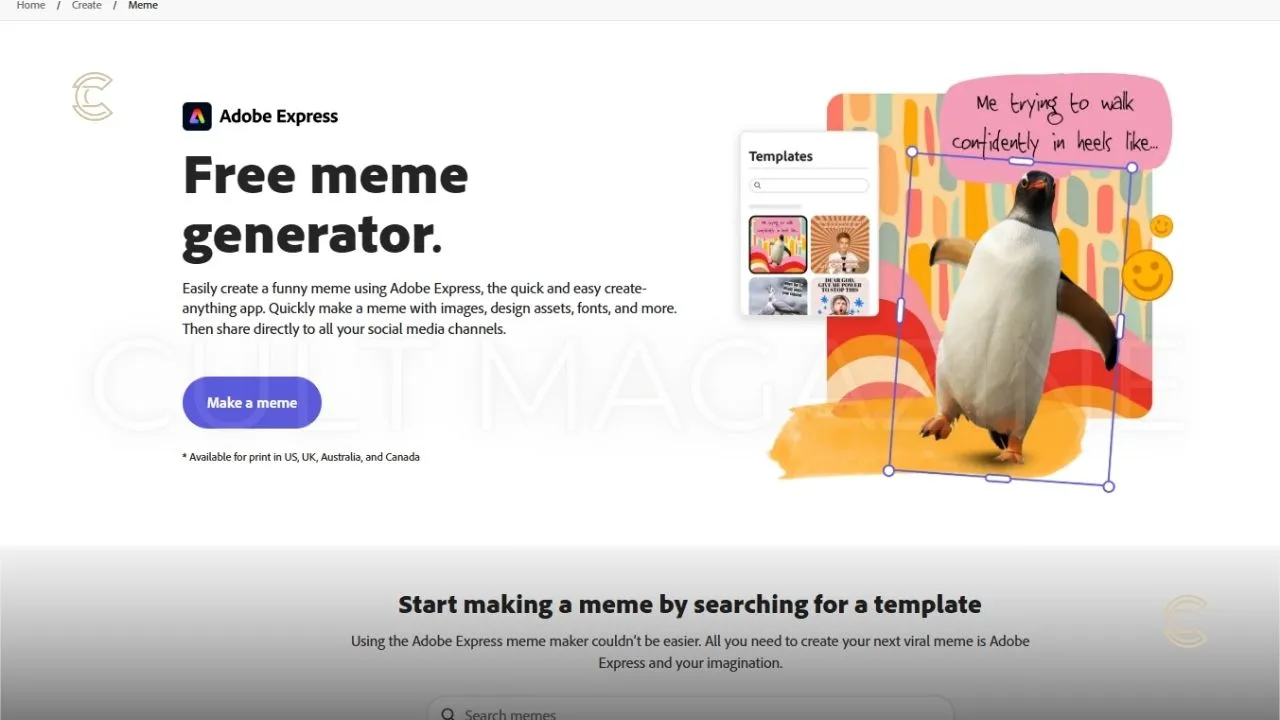
A meme maker is a tool that allows users to create visual content by combining images, text, and humor. These tools are widely used in social media marketing, blogging, and digital storytelling.
Definition: Meme Maker
A meme maker is an online or offline tool used to generate memes by adding captions, overlays, or edits to images or videos. Memes work because they are fast to consume and easy to share. According to research from the Digital Marketing Institute, visual content is processed 60,000 times faster than text, making memes highly effective for engagement. However, not all memes perform well. The difference often lies in context, timing, and relevance.
Takeaway: A meme maker is just a tool. The real value comes from how strategically and responsibly you use it.
Understand Your Audience Before Creating Memes
Before opening any meme maker, you need to know who you are speaking to. Memes rely heavily on cultural references, humor styles, and shared experiences.
If your audience does not understand the reference, the meme fails.
Key Factors to Consider
- Age group and cultural background
- Platform preferences such as Instagram, TikTok, or blogs
- Tone expectations such as professional, casual, or edgy
- Current trends they engage with
For example, a meme that works on TikTok may not resonate with readers of long-form editorial content like those on Cult Magazine. Their audience tends to value thoughtful, culture-driven insights rather than low-effort humor.
Takeaway: A meme only works if your audience understands and relates to it. Always create with your reader in mind.
Legal and Copyright Considerations
One of the most overlooked aspects of using a meme maker is copyright. Many images used in memes are not free to use.
What You Need to Know
- Not all images online are public domain
- Some memes fall under fair use, but this is not guaranteed
- Using copyrighted material commercially can lead to legal issues
According to the UK Intellectual Property Office, using copyrighted images without permission can result in penalties or content removal.
Safer Alternatives
- Use royalty-free image libraries like Unsplash or Pexels
- Create original visuals
- Use licensed templates from reputable tools
Takeaway: Always verify image rights before publishing memes to avoid legal risks.
Maintain Brand Voice and Consistency
Memes should feel like a natural extension of your brand, not a random addition.
If your tone is informative and editorial, your memes should reflect that style. A mismatch can confuse your audience and weaken your credibility.
Tips for Brand Alignment
- Use consistent fonts and colors
- Stick to your brand tone
- Avoid overly generic or recycled meme formats
- Ensure the message aligns with your content goals
For example, a cultural publication should focus on insightful or commentary-driven memes rather than purely comedic ones.
Takeaway: Every meme should reinforce your brand identity, not dilute it.
Avoid Overusing Trends
Trends move fast. What is popular today may feel outdated tomorrow.
Using a meme maker to jump on every trend can make your content look forced or inauthentic.
How to Use Trends Effectively
- Choose trends that align with your niche
- Add your own perspective instead of copying
- Avoid outdated formats
- Focus on timeless humor when possible
Memes should enhance your message, not distract from it.
Takeaway: Trends are useful, but only when they align with your content and timing.
Focus on Clarity and Simplicity
A good meme communicates its message instantly. If people need to think too hard, the meme loses impact.
Best Practices for Meme Clarity
- Use short, readable text
- Avoid cluttered visuals
- Stick to one clear idea per meme
- Ensure mobile readability
Simple language is especially important for accessibility and broader reach.
Takeaway: The best memes are simple, clear, and immediately understandable.
Optimize Memes for SEO and Discoverability
Memes are visual, but they can still support your SEO strategy.
How to Optimize Meme Content
- Add descriptive alt text to images
- Use relevant keywords in captions
- Include memes within high-quality written content
- Ensure fast loading times
For example, embedding memes within articles like this one helps improve engagement and time on page.
According to Google Search Central, properly labeled images improve visibility in search results.
Takeaway: Memes should support your SEO strategy, not exist separately from it.
Balance Humor with Value
Memes should not replace meaningful content. They should complement it.
A meme without context may get a laugh, but it rarely builds authority or trust.
How to Add Value
- Pair memes with insights or commentary
- Use humor to explain complex ideas
- Connect memes to your main topic
This approach works particularly well for editorial platforms like Cult Magazine’s features, where depth and storytelling matter.
Takeaway: Memes are most effective when they add value, not just entertainment.
Common Mistakes to Avoid
Using a meme maker can be easy, but mistakes are common.
Avoid These Pitfalls
- Using low-quality or pixelated images
- Overloading memes with text
- Ignoring audience preferences
- Copying memes without originality
- Posting without context
Each of these mistakes reduces engagement and credibility.
Takeaway: Avoid common errors by focusing on quality, relevance, and originality.
Frequently Asked Questions
Is it legal to use any image in a meme maker?
No. Many images are copyrighted. Always check usage rights or use royalty-free sources.
Takeaway: Only use images you have permission to use.
How often should I use memes in content?
Use them sparingly. They should support your content, not dominate it.
Takeaway: Quality matters more than quantity.
Can memes improve SEO?
Yes, indirectly. They increase engagement, which can improve dwell time and visibility.
Takeaway: Memes help SEO when used within valuable content.
What makes a meme effective?
Clarity, relevance, timing, and audience understanding are key factors.
Takeaway: A strong meme connects instantly with its audience.
Should brands use trending memes?
Only if they align with the brand voice and audience expectations.
Takeaway: Not every trend is worth following.
Conclusion
Using a meme maker for content creation can be highly effective when done thoughtfully. It requires more than just humor. You need to understand your audience, respect copyright rules, maintain brand consistency, and focus on clarity and value.
Memes should not replace meaningful content but enhance it. When used correctly, they can boost engagement, improve communication, and strengthen your overall content strategy.
Takeaway: Strategic, audience-focused, and legally sound meme creation leads to better engagement and long-term content success.